

What is tympanometry?
Tympanometry, along with examining the ear, helps diagnose problems in the middle ear (located behind the ear drum).
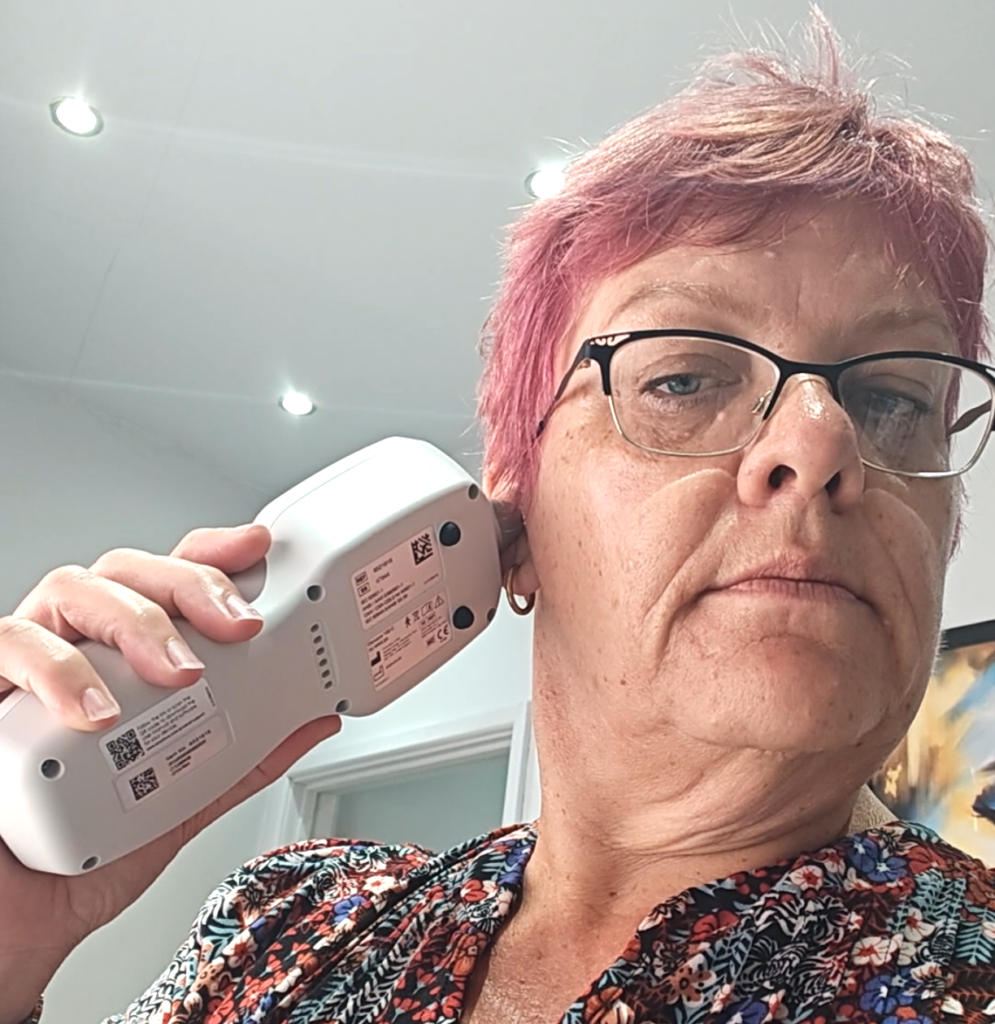
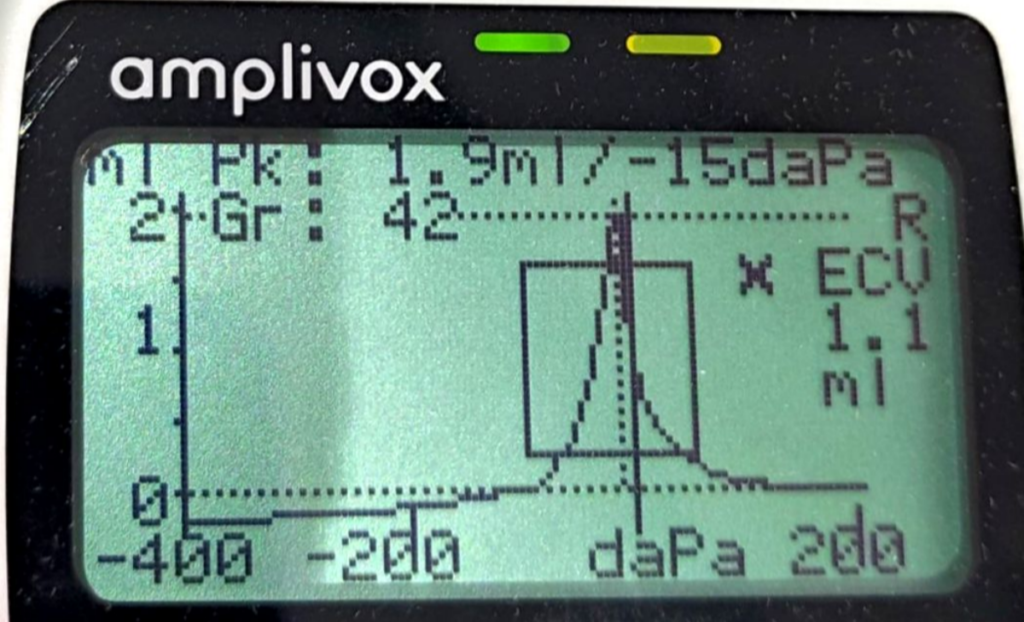
Tympanometry is a quick, non-invasive diagnostic test that measures the movement of the eardrum and middle ear function by changing air pressure within the ear canal.
It helps diagnose fluid in the middle ear, middle ear infections, or perforations by producing a graph called a tympanogram
It is commonly used for to assess if there is a conductive hearing loss.
Tympanometry helps with diagnosis of disorders that can lead to hearing loss.
The ear drum is a thin skin layer that separates the middle and outer segments of the ear. The results are recorded on a graph called a tympanogram.
The test helps to determine if you have:
• fluid in your middle ear
• a middle ear infection
• a hole in the ear drum
• Eustachian tube dysfunctions (tube connected to the nose and throat)
Tympanometry may be conducted often to confirm how much fluid builds up in the middle ear over time.
1. Otoscopy: Firstly, your ear will be examined with an otoscope to ensure your ears are clear of earwax or other foreign objects.
2. Probe placement: Next, we will place a probe-type device into the canal, this can often be slightly uncomfortable and loud during the measuring process.
3. Ear pressure: Lastly, the air pressure in your ear will be manipulated to make the eardrum move back and forth. Measurements of the movement of your eardrum are recorded in a tympanogram.
Ensure you visit Ears2hear to have the excess wax removed from your ears to allow for an accurate test result.
This may also eliminate other external issues such as:
• temporary hearing loss
• itching or pain in the ears
• blocked ears after swimming or showering
• outer ear infections
• weeping ears
• dizziness
• The middle ear doesn’t contain fluid
• The eardrum moves normally
• The middle ear pressure is normal
• There’s normal movement of the small bones in the middle ear.
Abnormal test results may mean there is:
• Fluid in the middle ear
• Perforation of the eardrum
• Scarring of the eardrum, which generally occurs from frequent ear infections
• Middle ear pressure beyond the normal range
• Growths in the middle ear
• Excess earwax
• Lack of mobility or other problems with the bones of the middle ear
Overall, in most cases an abnormal tympanogram is due to fluid in the middle ear.
Book your appointment now
Hearing test with tympanometry £120
Tympanometry & advise on middle ear/ Eustachian tube issues £80
Advise on middle ear/ Eustachian tube issues £45
At Ears2hear, we are dedicated to provide you with excellence in the highest quality ear care. We are all about ears. Our clinic specialises in professional earwax removal using microsuction, irrigation and manual removal. We also offer home visit earwax removal appointments. We do ear health checks, direct moulded custom made noise / swim plugs and diagnostic hearing test.

28 Boulevard
Inside the Industry barbers
Weston-super-Mare,
BS23 1NF
Email: ears2hear.wsm@gmail.com
Tel: 07402 149640


